Blower Door Test Attic Air Leaks: What to Expect in DFW
Learn what a blower door test reveals about attic air leaks in DFW homes. I explain the process, what to fix, and how a complete attic retrofit saves energy.
What a Blower Door Test Actually Does
A blower door test is the only way to measure how leaky your house really is. I use a powerful fan mounted in an exterior door frame. It pulls air out of your home, lowering the indoor pressure. Outside air then rushes in through every crack and gap. The fan measures how much air moves through those leaks. The result is a number called ACH50, or air changes per hour at 50 pascals of pressure. Most DFW homes test between 8 and 15 ACH50. An energy-efficient home should be under 5. The test takes about an hour. I do it before and after any attic work to confirm the fix. Without a blower door test, you are guessing where your energy dollars go. The U.S. Department of Energy explains the procedure in detail.
The IECC 2021 requires new construction in Climate Zone 3 to pass a blower door test at 5 ACH50 (air changes per hour at 50 Pascals). The IRC Section R402.4 mandates that building thermal envelopes be sealed at specific locations including top plates, wiring penetrations, and plumbing penetrations. These code requirements reflect the fact that air sealing is as important as insulation for energy efficiency.
Why the Attic Is the Number One Source of Air Leaks
The Pacific Northwest National Laboratory found the attic is the single biggest source of energy loss in a home. I see this every day in DFW. Attic air leaks happen at plumbing vents, recessed lights, attic hatches, and where walls meet the ceiling. A blower door test with a thermal camera shows these leaks as cold spots in winter and hot spots in summer. In DFW, summer attic temperatures hit 140 degrees. That superheated air pours into your living space through every unsealed gap. Your AC runs longer and harder. Your energy bills climb. The test pinpoints exactly where the attic is failing. Then I know what to seal. This is why a home energy audit always starts with the attic.
What to Expect During the Test
I arrive with the blower door fan, a thermal camera, and a smoke pencil. I set up the fan in your front or back door. All windows and exterior doors stay closed. I turn off combustion appliances like gas furnaces and water heaters for safety. The fan runs for about 20 minutes while I walk through the house with the thermal camera. Cold air infiltration shows up as blue streaks on the camera screen. The smoke pencil reveals drafts you cannot see otherwise. I check every room, but I spend the most time in the attic. That is where the biggest leaks live. You do not need to do anything special to prepare. Just clear the door where I set up the fan. The test is non-invasive and leaves no mess. ENERGY STAR recommends a home energy checkup like this for every home.
What the Test Reveals About Attic Air Leaks
The blower door test quantifies your total home air leakage. Then I isolate the attic contribution. In most DFW homes, the attic accounts for 40 to 60 percent of total air leakage. The biggest offenders are unsealed attic hatches, gaps around ductwork, and open wall cavities behind drywall. Recessed lights rated IC or not, they leak air unless sealed with an airtight cover. Plumbing vent boots often have gaps around the pipe. Bathroom fans that vent into the attic instead of outside are common. The test shows me each leak location. I mark them with tape or chalk. Then I create a plan to seal every one. A complete attic retrofit addresses all these leaks in one pass.
What to Fix After the Blower Door Test
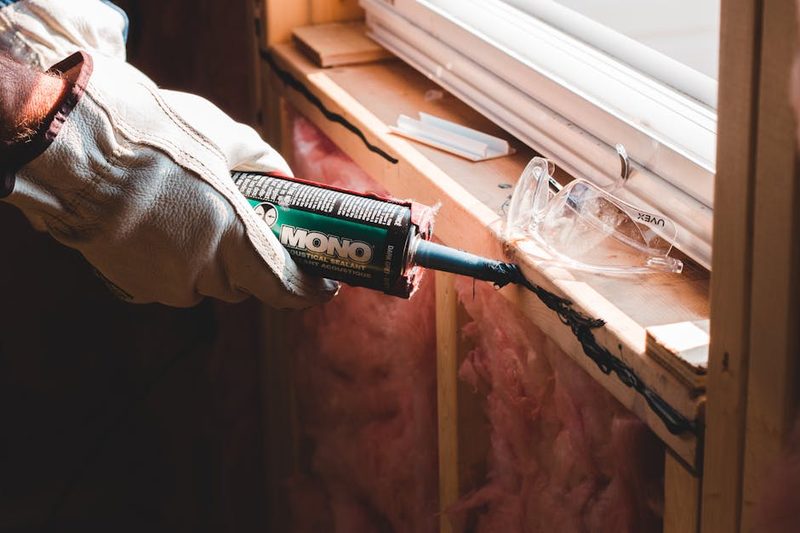
Once I identify the attic air leaks, I seal them with spray foam, caulk, or weatherstripping. I use fire-blocking foam around plumbing vents and electrical penetrations. I install airtight covers over recessed lights. I seal the attic hatch with foam tape and add a latch to compress the seal. I close off any open wall cavities with rigid foam and foam sealant. Then I add insulation to the correct R-value for DFW, which is R-38 to R-60 depending on your existing insulation. I ventilate the attic properly to prevent moisture buildup. The blower door test after the work confirms the ACH50 dropped. A typical DFW home goes from 10 ACH50 down to 4 or 5. That is a measurable reduction in energy loss. Oncor and local utilities offer rebates for these improvements.
When Not to Buy a Blower Door Test
Do not get a blower door test if you are not ready to fix what it finds. The test is diagnostic. It tells you what is wrong. If you ignore the results, you wasted the money. Do not get the test if your attic has active mold or rodent infestations. Fix those problems first. The test can spread contaminants through the house. Do not get the test if your home has unvented gas appliances that you cannot turn off during the test. The fan can cause backdrafting of carbon monoxide. I will not run the test in those conditions. If your energy bills are already low and your home feels comfortable, you might not need the test. But most DFW homes built before 2010 have significant attic air leaks. The test pays for itself in energy savings within one year.
How a Complete Attic Retrofit Saves You Money
A complete attic retrofit combines air sealing, ventilation, and insulation in one pass. I do the blower door test first. Then I seal every leak. Then I add insulation to the right depth. Then I test again to confirm the improvement. The result is a tighter, more efficient home. Your HVAC system runs less. Your energy bills drop. Your home stays more comfortable in summer and winter. The ENERGY STAR program says home energy checkups can reduce energy bills by 20 percent or more. In DFW, I see savings of 25 to 35 percent on average. The retrofit also reduces outdoor noise and keeps out dust and pollen. It is the single best investment you can make in your home's performance.
Angi reports that professional attic air sealing costs between $300 and $4,000 depending on home size and leak severity. HomeAdvisor's 2026 data shows the national average for air sealing is around $1,500, with most projects falling between $700 and $2,500.
Frequently Asked Questions
How long does a blower door test take?
Will a blower door test damage my home?
Do I need to be home during the test?
What is a good ACH50 number for a DFW home?
Can I seal attic air leaks myself?
Does the blower door test qualify for utility rebates?
Ready to stop losing cool air through your attic? Call me at (469) 895-2695 to schedule a blower door test and complete attic retrofit.
Get a free estimate
Fill out the form and we'll get back to you within 24 hours. No pressure, no upsells.
Neal runs DFW Attic Insulation, a local crew serving the entire Dallas-Fort Worth metroplex. He started in roofing and construction over two decades ago and now specializes in attic insulation, air sealing, and ventilation. He believes in honest advice — he'll tell you if you don't need anything.