
Air-Sealing for Multi-Family Homes in DeSoto, TX
Why DeSoto Multi-Family Homes Need Air-Sealing
If you own or manage a multi-family property in DeSoto, you've probably seen the electric bills. Summer cooling costs can hit $250 to $350 per month in uninsulated units. That's a lot of money leaving through the attic. Most of these homes were built between the 1970s and 1990s, and the original insulation has settled. Fiberglass batts that were once fluffy are now flat and useless. The real problem isn't just insulation. It's air leaks. In multi-family buildings, air moves between units through shared walls and attics. Recessed lights, ductwork, and plumbing vents act like open windows. Hot attic air pours into living spaces, and your AC has to run longer to keep up. The fix is simple: seal those leaks first, then add fresh insulation. That's what I do. My name's Neal, and I run DFW Attic Insulation. We've been in attics all over DeSoto, from Oak Creek to Kingsgate, and we know what these homes need. The U.S. Department of Energy says air sealing is one of the most cost-effective ways to save energy. It's true. Start with the leaks, and everything else works better.
The Real Problem in DeSoto Attics: Air Leaks and Settled Insulation
DeSoto sits in IECC Climate Zone 3, which means hot and humid summers. Average July highs hit 96°F. Cooling degree days in this region are around 3,000. That's a lot of heat that needs to be pushed out. Your attic is the first line of defense. When it's not sealed, that heat flows into your home through every gap. In multi-family buildings, the attic is often shared between units. That means air from one unit can travel through the attic and into another. That's bad for comfort and bad for energy bills. The typical insulation problem in DeSoto is settled fiberglass batt insulation. Over time, it loses its R-value. It also doesn't stop air movement. Air sealing does. It's the process of closing every gap, crack, and hole in the attic floor. Things like recessed lights, duct boots, and wire penetrations. The Environmental Protection Agency's ENERGY STAR program recommends sealing and insulating together. You can't get full savings without both. In DeSoto, where homes are mostly brick veneer over wood frame with composition shingle roofs, the attic is usually accessed through a pull-down staircase in the garage or hallway. That's a common leak point, too.
How Air-Sealing Works for Multi-Family Properties
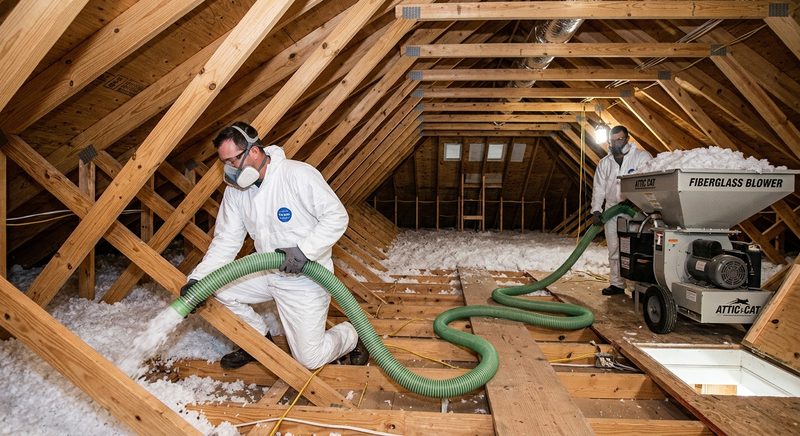
Air-sealing in a multi-family building is different from a single-family home. You have to think about fire safety, shared ducts, and access between units. We start by identifying all the air leaks. In a typical DeSoto multi-family attic, we find gaps around recessed lights, furnace flues, and duct connections. We also check the attic hatch or pull-down stairs. Those are huge air leaks. We seal them with caulk, foam, or weatherstripping. The goal is to create a continuous air barrier between the attic and the living space. Once the attic is sealed, we can add insulation. For multi-family homes, blown-in fiberglass or cellulose works well. It fills the gaps and provides consistent R-value. The Oncor Electric Delivery zone serves DeSoto, and retail electric rates average about 12.15¢ per kWh. That's higher than the national average. Every kilowatt-hour you save matters. The Energy.gov page on air sealing has a checklist of common leak locations. We use that same knowledge on every job. After air-sealing, the attic stays cooler, the AC runs less, and the bills drop. We've seen it happen in countless DeSoto homes.
DeSoto's Climate and the Case for a Radiant Barrier
DeSoto's summers are brutal. The average summer temperature is 96°F, and the attic can easily hit 140°F. Multi-family buildings with low-slope roofs or dark shingles absorb that heat. The heat radiates down through the insulation and into the living space. That's where a radiant barrier helps. It's a reflective material installed under the roof deck. It blocks the radiant heat from entering the attic. Combined with air-sealing and insulation, it can make a big difference. Many DeSoto homes already have some insulation, but it's often inadequate. The typical lot size in DeSoto is about 0.25 acres, so houses are close together. That means less shade and more sun exposure. A radiant barrier is especially effective in this climate. The ENERGY STAR guide to radiant barriers explains how they work. It's not a replacement for insulation, but it's a powerful addition. For multi-family properties, the installation is straightforward. We install it over the roof rafters, stapled in place. It doesn't require removing old insulation. It's a quick upgrade that pays for itself over time.
Choosing the Right Insulation for DeSoto Multi-Family Homes
After air-sealing, the next step is insulation. In DeSoto, the most common attic insulation is blown-in fiberglass or cellulose. Both are effective in Climate Zone 3. The target R-value for attics in this area is R-38 to R-60. That's about 12 to 18 inches of blown-in material. Many older homes in DeSoto have only R-19 or less. That's half of what's needed. The typical construction material is brick veneer over wood frame, which doesn't provide much insulation by itself. The attic does most of the work. For multi-family properties, we recommend blown-in cellulose. It's made from recycled paper and treated for fire resistance. It settles less than fiberglass and fills gaps better. It also has better soundproofing, which is a bonus for shared walls and ceilings. The Department of Energy's insulation page has a map of recommended R-values by zone. We follow those guidelines. We also check for existing moisture issues before installing. Wet insulation is useless. If we find leaks or poor ventilation, we fix those first. That's the difference between a quick fix and a real solution.
Local Service: We Know DeSoto's Attics
DeSoto has a mix of ranch, craftsman, colonial, and contemporary homes. Many are single-story with crawl spaces or slab foundations. The attics are often tight and hard to access. That's why we take the time to do it right. We're based in Mansfield, but we serve DeSoto regularly. We know the neighborhoods: Oak Creek, The Pointe, Kingsgate, DeSoto Estates, The Meadows. Each one has its own quirks. Some homes have scuttle hatches in closets, others have pull-down stairs in the garage. We handle all of them. We use the same materials and methods on every job. No shortcuts. We're not the biggest company in town, and that's fine. We're the ones who show up when we say we will. We give honest estimates and let you decide. If you need air-sealing, we'll tell you. If you only need insulation, we'll tell you that, too. We don't upsell. We just fix the problem. Give us a call and we'll come take a look.
Why Air-Sealing First Saves You More Money
Many homeowners think adding insulation is the only answer. But without air-sealing, you're just covering up the problem. Air leaks let conditioned air escape and hot air enter. Insulation slows down heat transfer, but it doesn't stop air movement. That's why we always seal first. In DeSoto, with electric rates around 12.15¢ per kWh, the savings add up fast. A multi-family property with several units can see a big drop in common area charges. The ENERGY STAR website has a simple rule: seal and insulate. Doing both gives you the best return. We follow that rule on every job. We also use a blower door test to measure the air leaks before and after. That way, we know the job is done right. It's not guesswork. It's real results. If you're tired of high bills in your DeSoto property, air-sealing is the first step. Call us to schedule an estimate.
** ** ** ** **
Get a free estimate for attic insulation in DeSoto
Fill out the form and we'll get back to you within 24 hours. No pressure, no upsells.
Also serving: Attic insulation service details · Attic insulation cost guide · Contact us
Nearby cities: Addison · DeSoto · DeSoto · Farmers Branch · Little Elm · All DFW locations
Last updated: 2026-05-29