Prevent Frozen Attic Pipes in DFW With Insulation and Air Sealing
Frozen pipes in your DFW attic are preventable. I explain how insulation and air sealing around plumbing penetrations stop freezing. Learn what to do before next hard freeze.
DFW Freezes Are a Real Threat to Attic Pipes
The February 2021 hard freeze burst thousands of pipes across DFW. Uninsulated attics were a primary cause. Temperatures in attics can drop below freezing faster than living spaces. Plumbing pipes running through unconditioned attics freeze when cold air reaches them. The fix is not complicated. You need proper insulation and air sealing around every plumbing penetration. See the Energy Star sealing guide for more detail. I have seen attics where bare copper pipes run through gaps big enough to fit a fist. Cold air pours in. The pipes freeze. The result is a flooded home. If you have ever dealt with a burst pipe, you know the cost is high. Drywall, flooring, cabinets often need replacement. Prevention costs a fraction of that. And it starts in the attic.
The IECC 2021 Table R402.1.2 sets the prescriptive minimum for attic insulation in Climate Zone 3 (which includes DFW) at R-38, with an equivalent U-factor of U-0.030. The International Residential Code (IRC) Section R806 requires balanced attic ventilation at a 1:300 ratio minimum.
Plumbing Penetrations Are the Biggest Air Leak Source
The Department of Energy identifies plumbing penetrations as major sources of attic air leaks. These are the holes where pipes enter the attic from walls or floors. Builders often leave them unsealed. Warm air from the house escapes through them. Cold attic air gets drawn into the walls around the pipes. This is called the stack effect. It accelerates pipe freezing. The most vulnerable pipes are those in exterior walls or running across the attic floor. When attic insulation is thin or missing around these pipes, heat loss speeds up. The water inside cools and freezes. Sealing these penetrations with caulk or expanding foam stops the airflow. The energy.gov website has detailed guides on air sealing techniques. You can do it yourself. But a professional inspection reveals every hidden gap.
Pairing Pipe Replacement With Attic Sealing Saves Money
If you need a plumbing repipe, there is a golden opportunity. Old galvanized or polybutylene pipes inside your home often run through the attic. Replacing them means the plumber will open up walls and attic access. That is the perfect time to seal every penetration and improve insulation. I tell homeowners: do not let a plumber finish without coordinating attic work. Once the new pipes are in, seal the holes around them. Then add blown insulation to cover the pipes evenly. This pairing reduces labor costs because you only pay for one attic visit. It also ensures the new pipes stay safe during the next freeze. Air sealing and insulation work together. One keeps cold air out. The other keeps heat in. Without both, your new pipes can still freeze.
How Insulation Prevents Pipe Freezing Specifically
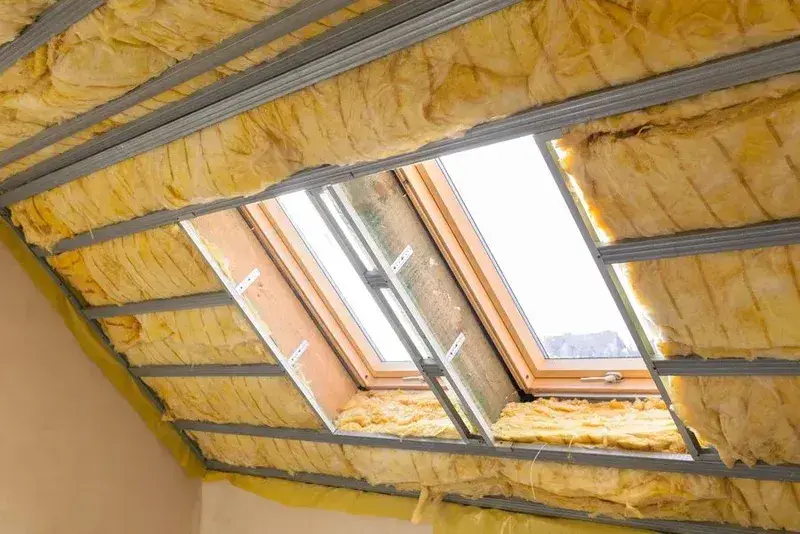
Insulation slows heat transfer. In winter, your attic stays closer to indoor temperature if it is properly insulated. Pipes buried under thick insulation hold warmth longer. The Department of Energy recommends R-49 (about 16 inches of fiberglass or cellulose) in DFW attics. That depth protects pipes running in the attic floor. But insulation alone is not enough if there are air gaps. Cold drafts strip heat from the insulation. That is why attic insulation must be continuous. Gaps around pipes and electrical wires create weak spots. I use a thermal imaging camera to find those cold zones. The result is a uniform blanket. Pipes in a properly insulated attic rarely freeze even in single-digit temperatures. Do not rely on pipe insulation sleeves alone. See the DOE pipe insulation guide for more detail. They help. But they cannot replace a sealed and insulated attic assembly.
When Not to Insulate Around Pipes Yourself
I tell homeowners to stop if they see signs of a leak or active moisture. Wet insulation around pipes can hide a slow drip. Adding insulation over a wet pipe traps moisture. That leads to mold and wood rot. Fix the leak first. Also skip foam-in-place sealants near gas lines or electrical conduits unless you know the rating. Some foams are flammable. Use fire-rated caulk or mineral wool for those spots. Do not cover plumbing vent pipes with insulation. Vents need to stay clear for combustion appliances to exhaust properly. If you are unsure, call me or another professional. A bad seal can create bigger problems than the freeze. The cost of a consultation is small compared to a burst pipe repair. And I have seen attics where a 10 minute inspection revealed a dozen unsealed gaps.
What a Proper Attic Pipe Protection Plan Includes
Start with an air seal of every attic penetration. Use caulk for gaps under 1/4 inch and expanding foam for larger ones. Focus on where pipes come through top plates and walls. Next, ensure attic insulation is at the right depth and distributed evenly. Blown cellulose or fiberglass works well because it fills around obstacles. Place insulation so it covers the pipes completely. Do not leave them exposed on top of the insulation. Pipes sitting on the attic floor with insulation below them will still freeze. They must be buried. If you repipe, ask for the new pipes to be run along the attic floor, not suspended in the trusses. That makes insulating them easier. Finally, install a heat cable on vulnerable pipes in the attic as backup. Energystar.gov has guidelines for freeze prevention. Follow those and you will sleep better during winter storms.
My Personal Rule for DFW Homeowners
I have crawled through thousands of attics. The attics that freeze pipes always share one trait: visible light coming through gaps around plumbing. If you can see daylight, cold air is entering. Seal those gaps first. Then add insulation. I do not recommend waiting until November. Summer is the best time to work in an attic. No freezing temps, easier access. Prepping for winter now saves panic later. If you need a repipe, let me inspect your attic before the plumber finishes. I can coordinate the air sealing and insulation right after. One crew, one visit, done. The 2021 freeze taught DFW a hard lesson. Unprotected attic pipes burst. The ones protected by sealed, insulated attics survived. Make yours part of the surviving group.
HomeAdvisor reports the national average attic insulation cost at $2,100 with most homeowners paying $1,700 to $2,500. Angi data shows DFW pricing runs $1 to $3 per square foot for blown-in installation.
Frequently Asked Questions
Should I insulate pipes in my attic if I live in DFW?
Can I use foam pipe insulation sleeves instead of attic insulation?
How much does it cost to have an attic air sealed for pipe protection?
What if my attic already has insulation but pipes are freezing?
Do I need to repipe before sealing the attic?
Is it safe to seal around gas pipes in the attic?
If your DFW attic has exposed pipes or you are planning a repipe, call me at (469) 895-2695. I will inspect, seal, and insulate your attic to prevent freezing. No pressure, just a straightforward fix. If you want a straight answer on your attic, call me at (469) 895-2695. I'll inspect it with a thermal camera, tell you exactly what you need, and give you a written quote. No upsell. No pressure.
P.S. Every attic is different. The numbers above are ballpark estimates based on DFW averages. Call us at (469) 895-2695 and we'll come take a look with a thermal camera, give you a written quote, and tell you honestly if you even need anything. No upsell. No pressure.
Get a free estimate
Fill out the form and we'll get back to you within 24 hours. No pressure, no upsells.
Neal runs DFW Attic Insulation, a local crew serving the entire Dallas-Fort Worth metroplex. He started in roofing and construction over two decades ago and now specializes in attic insulation, air sealing, and ventilation. He believes in honest advice — he'll tell you if you don't need anything.