Pre-1990 Home Attic Insulation Upgrade for DFW Code
If your DFW home was built before 1990, your attic insulation likely falls short of modern R-38 to R-60 code. I'll tell you what needs to happen.
Your pre-1990 home's attic insulation is probably underperforming
My name's Neal. I run DFW Attic Insulation. If you're moving into an older home in DFW, the attic insulation is almost certainly not enough. Homes built between 1970 and 1990 typically got R-19 fiberglass batts at best. That was the standard then. It's not the standard now. Modern code for North Texas requires R-38 to R-60 depending on your attic type. That's a big gap. And it's not just about comfort. It's about your energy bill and the lifespan of your HVAC system. The Department of Energy recommends upgrading attic insulation in older homes to meet current climate zone requirements. For DFW, that means at least R-38.
What modern code actually requires in DFW
The 2021 International Energy Conservation Code (IECC) sets attic insulation at R-38 for most of Texas. But many builders and energy experts push for R-49 or R-60 in attics with ductwork. Why? Because DFW summers are brutal. Your attic can hit 140 degrees. Without enough insulation, that heat pushes into your living space. Your AC runs longer. Your bills go up. The ENERGY STAR program says proper attic insulation can save up to 15% on heating and cooling costs. That's not a marketing line. That's measured data. If your pre-1990 home has R-19 or less, you're leaving money in the attic.
Old fiberglass batts in DFW are degraded and dirty
Fiberglass batts from the 70s and 80s weren't designed to last 40 years. In DFW's humid climate, they absorb moisture. They get compressed by years of storage and foot traffic. They collect dust, rodent droppings, and debris. That reduces their R-value significantly. A batt that started at R-19 might now perform at R-11 or worse. You can't just add new insulation on top of old, dirty batts. That traps moisture and creates a breeding ground for mold. The right move is removal first. I've seen attics where the old insulation is so contaminated it's a health hazard. Don't skip the removal step.
Why removal is the only smart first step
Adding new insulation over old, degraded batts is a band-aid. It hides problems. When I remove old insulation, I find air leaks, rodent nests, and moisture damage that were invisible before. Those air leaks are the real enemy. They let conditioned air escape and hot attic air seep in. Sealing those gaps is more important than the insulation itself. The DOE's air sealing guide explains why. After removal, I air-seal every penetration: wiring holes, plumbing stacks, duct boots, and the attic hatch. Then I install new insulation to the proper R-value. That's the only way to meet modern code and get the performance you're paying for.
Moisture issues are common in DFW pre-1990 attics
DFW has high humidity year-round. Older homes often lack proper attic ventilation. Combine that with old, moisture-laden insulation and you get condensation on roof sheathing. That leads to rot and mold. I've walked into attics where the plywood is black with mold. The homeowners had no idea. Removing the old insulation lets the attic dry out. I can inspect the ventilation and recommend fixes. Sometimes it's as simple as adding soffit baffles or a ridge vent. Sometimes it's more involved. But you can't fix what you can't see. That's why removal is non-negotiable for pre-1990 homes in DFW.
What the upgrade process looks like for your home
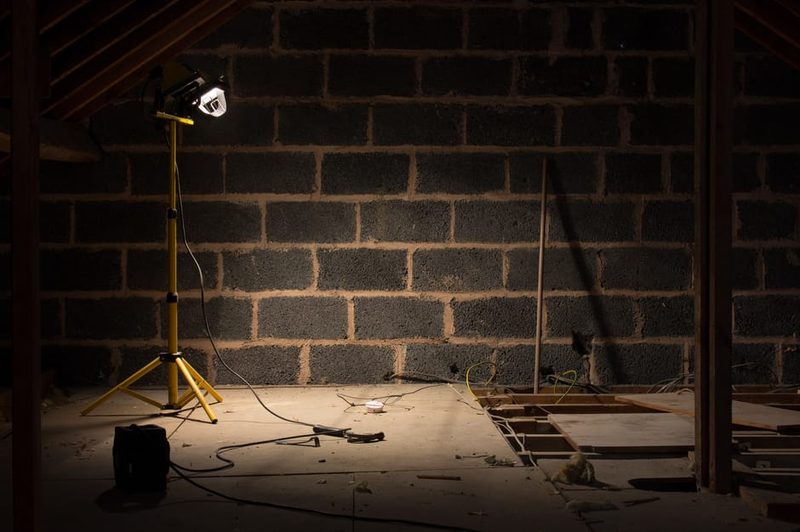
First, I inspect the attic. I check for active leaks, mold, and rodent activity. If the insulation is wet or contaminated, I recommend removal. Then I vacuum out all old material using a HEPA-filtered truck. After that, I air-seal every gap with caulk and foam. I install baffles at the eaves to maintain airflow. Then I blow in new cellulose or fiberglass to the target R-value. For most DFW homes, that's R-49. The whole process takes one to two days depending on attic size. You don't need to move out. I work clean and protect your home. If you're in Dallas or Fort Worth, I can give you a specific estimate.
When you should NOT upgrade your attic insulation
Here's the honest part. Don't upgrade if you have an active roof leak. Fix the leak first. Don't upgrade if your attic has standing water or visible mold covering more than 10 square feet. That's a remediation job, not an insulation job. Don't upgrade if your HVAC system is undersized or failing. The insulation will help, but it won't fix a broken AC. And don't upgrade if you plan to sell the house in the next year and the buyer doesn't care about energy efficiency. In that case, leave the old stuff and let the next owner decide. I'd rather lose a job than sell you something you don't need.
Frequently Asked Questions
How much does an attic insulation upgrade cost for a pre-1990 DFW home?
Will upgrading attic insulation lower my energy bills?
Do I need to remove old insulation before adding new?
Are there rebates or tax credits for attic insulation in DFW?
How long does the insulation upgrade take?
What R-value do I need for my DFW attic?
Ready to bring your pre-1990 home's attic up to modern code? Call me at (469) 895-2695 for a free estimate. I'll tell you exactly what your attic needs and what it doesn't. If you want a straight answer on your attic, call me at (469) 895-2695. I'll inspect it with a thermal camera, tell you exactly what you need, and give you a written quote. No upsell. No pressure.
P.S. Every attic is different. The numbers above are ballpark estimates based on DFW averages. Call us at (469) 895-2695 and we'll come take a look with a thermal camera, give you a written quote, and tell you honestly if you even need anything. No upsell. No pressure.
Get a free estimate
Fill out the form and we'll get back to you within 24 hours. No pressure, no upsells.
Neal runs DFW Attic Insulation, a local crew serving the entire Dallas-Fort Worth metroplex. He started in roofing and construction over two decades ago and now specializes in attic insulation, air sealing, and ventilation. He believes in honest advice — he'll tell you if you don't need anything.