Should I Remove Old Attic Insulation Before Adding New? DFW Guide
Neal explains when to remove old attic insulation vs adding on top. DFW homes need R-38 to R-60. Pre-1990 homes usually need a full removal. Call (469) 895-2695.
Start With the Answer
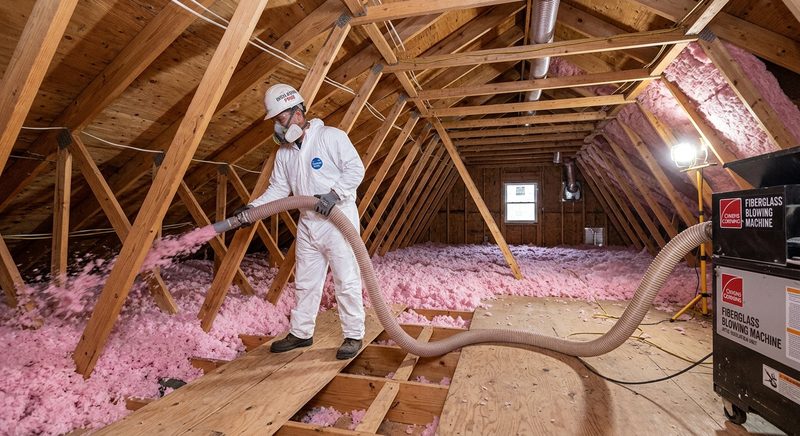
Remove old attic insulation if your home was built before 1990, the insulation is fiberglass batts compressed by decades of heat, or you see rodent droppings and mold. Adding new insulation on top of degraded material locks in moisture and pests. I see it all the time in DFW. Homeowners spend money on new blown-in insulation only to get higher bills and a musty smell. The U.S. Department of Energy says older homes often have R-19 or less. Modern code in Texas requires R-38 to R-60. That is a massive gap. New insulation on top of debris or compressed batts does not fix air leaks or moisture damage. Start clean or done28099t start at all.
The IECC 2021 Table R402.1.2 sets the prescriptive minimum for attic insulation in Climate Zone 3 (which includes DFW) at R-38, with an equivalent U-factor of U-0.030. The International Residential Code (IRC) Section R806 requires balanced attic ventilation at a 1:300 ratio minimum.
When You Should Remove Old Insulation
Remove it when the old material is fiberglass batts from a 1970-1990 build. Those batts settle, compress, and collect dust and humidity. DFW humidity makes it worse. I have crawled through attics where fiberglass batts look like gray felt from moisture. Remove it if there are signs of rodents, mold, or water damage. The Environmental Protection Agency recommends removing contaminated insulation before adding new material. Also remove it if you plan to air-seal the attic floor. New insulation cannot stop drafts if the gaps are still open. Air sealing requires access to the drywall. Old batts block that access. Remove them, seal every gap, then blow in fresh material.
When You Can Add New Insulation on Top
You can add new insulation on top if the old material is clean, dry, and loose-fill cellulose or fiberglass that is not compressed. I check the depth first. If the existing insulation is R-30 and settled but still clean, I recommend topping it off to R-49. Do not add on top of old fiberglass batts that are more than 15 years old. Do not add if there is any sign of moisture or pests. The U.S. Department of Energy says adding to clean loose-fill works as long as the material is dry. But I do not add on top of dirty or compressed batts. That just buries a problem. DFW heat and humidity make trash in attics rot faster. Blowing over it traps moisture and creates a perfect environment for mold.
The DFW Humidity Factor
DFW has a humid subtropical climate. Summer attic temps hit 150 degrees. Humidity accelerates degradation of old insulation. Fiberglass batts from the 1980s collapse under that heat. They lose R-value every year. I have tested attics where R-19 batts were performing at R-8 from compression alone. Adding new insulation on top of collapsed batts does not restore R-value. The weight of new material just pushes the dead batts flatter. The only solution is removal. Then air-seal. Then install proper R-49 blown-in. DFW homes need insulation that handles both heat and moisture. Old material does not. Start fresh or keep paying for AC that runs all day.
The Air Sealing Step Most Homeowners Miss
Removing old insulation reveals the attic floor. That is the only time you can see air leaks. Gaps around pipes, wires, recessed lights, and ductwork let conditioned air escape into the attic. The Lawrence Berkeley National Laboratory found that air sealing before adding insulation reduces cooling costs by 20-30% in hot climates. I seal every gap with caulk or expanding foam. Then I add the insulation. This step is impossible if you add new insulation on top of old material. You are sealing over problems. Removal gives you a clean slate. DFW summers are brutal. Every leak is money out of your pocket. Seal it right the first time.
Cost vs. Performance: What Makes Sense in DFW
Removing old insulation costs more than adding on top. But it delivers better performance. I tell homeowners in DFW that paying for removal now saves money over 10 years. Adding over degraded material means replacing it again sooner. The math is simple. R-49 blown-in on a clean, sealed attic floor saves 20-30% on cooling costs. Adding on top of R-19 batts that are performing at R-8 saves maybe 10-15%. The extra removal cost pays for itself in 2-3 summers. I do not recommend adding on top for any DFW home built before 1990. The risk of hidden moisture and pests is too high. Do it once. Do it right.
When NOT to Remove Old Insulation
Do not remove old insulation if it is loose-fill cellulose that is dry, clean, and level. That material can stay. Do not remove if the old insulation tests free of asbestos. Homes built before 1980 may have vermiculite insulation. That can contain asbestos. Test it before touching it. Do not remove if the attic floor has no air leaks and the old insulation is still R-30 or higher. That is rare in DFW. I have seen it only a few times. If you have brand new fiberglass batts that are less than 5 years old and clean, you can add on top. But those almost never need replacement. For 90% of DFW homes, removal is the right call.
HomeAdvisor reports that insulation removal adds $1.50 to $2.50 per square foot to the project cost, which aligns with what DFW homeowners typically pay. Angi's 2026 pricing data shows removal costs vary based on contamination level and attic accessibility.
Frequently Asked Questions
Can I add new insulation over old fiberglass batts?
What R-value does DFW require?
Does old insulation lose R-value over time?
How do I know if my attic has mold or pests?
Should I air-seal before adding new insulation?
What if my old insulation contains asbestos?
Call me, Neal, at (469) 895-2695 for a DFW attic inspection. I will tell you if removal makes sense for your home. No sales pitch. Just the facts about your insulation. If you want a straight answer on your attic, call me at (469) 895-2695. I'll inspect it with a thermal camera, tell you exactly what you need, and give you a written quote. No upsell. No pressure.
P.S. Every attic is different. The numbers above are ballpark estimates based on DFW averages. Call us at (469) 895-2695 and we'll come take a look with a thermal camera, give you a written quote, and tell you honestly if you even need anything. No upsell. No pressure.
Get a free estimate
Fill out the form and we'll get back to you within 24 hours. No pressure, no upsells.
Neal runs DFW Attic Insulation, a local crew serving the entire Dallas-Fort Worth metroplex. He started in roofing and construction over two decades ago and now specializes in attic insulation, air sealing, and ventilation. He believes in honest advice — he'll tell you if you don't need anything.