Attic Insulation Guide for DFW Home Renovations
Planning a DFW whole-home renovation? Here's your attic overhaul checklist. Air sealing, insulation, ventilation. Call Neal at (469) 895-2695.
Why Your Renovation Is the Right Time for an Attic Overhaul
If you are doing a whole-home renovation in DFW, now is the time to overhaul your attic. The U.S. Department of Energy says a major renovation is the best time for comprehensive energy upgrades. One mobilization saves thousands in labor and materials. Pulling a crew into your attic later costs more. DFW building codes require bringing attics to current standards during gut renovations. You cannot skip this step. I see too many homeowners finish a beautiful kitchen only to sweat through summer because the attic was left alone. Do it once. Do it right. Call me before you finalize your renovation plan. I will walk through your attic and tell you exactly what needs to happen. No sales pitch. Just a list.
The IECC 2021 requires that any renovation affecting more than 50% of the building envelope must bring the entire envelope up to current code. For DFW (Climate Zone 3), this means R-38 minimum attic insulation, U-0.030 U-factor, and compliance with IRC Section R806 for attic ventilation at 1:300 ratio. The International Energy Conservation Code also requires air leakage testing at 5 ACH50.
Step 1: Air Seal Before You Insulate
The sequence matters. The Pacific Northwest National Lab says air seal first, then insulate, then ventilate, then size the HVAC. Air sealing stops conditioned air from leaking into your attic. In DFW, that leak is expensive. Hot humid air pulls moisture into fiberglass batts. That ruins insulation and grows mold. I seal every penetration: plumbing stacks, electrical wires, recessed lights, attic hatches. Use caulk and expanding foam. Do it before you blow a single bag of cellulose. Energy.gov has a detailed guide on air sealing. If you skip this step, your new insulation will underperform by 30 percent or more.
Step 2: Choose the Right Insulation for DFW
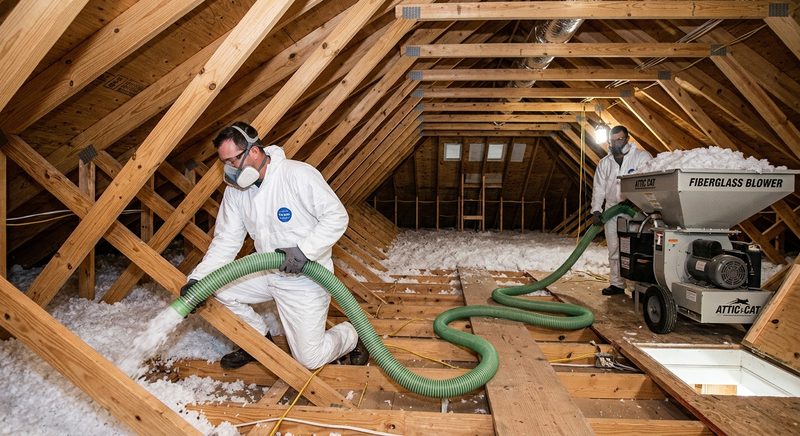
Blown fiberglass, blown cellulose, or spray foam are your options. Each has a place in DFW. Blown cellulose is my standard recommendation for most attics. It fills gaps better than fiberglass and costs less than foam. Spray foam works well for unvented attics but requires careful installation and higher budget. Code in DFW usually requires R-38 to R-49 for attics. Check with your local building department. I always measure the existing insulation first. Sometimes you can top up instead of remove. But if rodents moved in, or the old insulation is wet, it goes out. See my attic insulation service details for what I typically install.
Step 3: Balanced Attic Ventilation
Ventilation keeps your roof cool and dry. In DFW, attics hit 140 degrees in summer. Without proper ventilation, shingles cook and insulation bakes. I install ridge vents and soffit vents in a continuous flow path. Never block soffit vents with insulation. Use baffles made from foam or cardboard to keep the air channel open. Powered attic fans can help, but they need a thermostat and humidistat. Some codes prefer passive venting. Energy Star explains attic ventilation best. If your renovation includes a new roof, add insulation baffles before the decking goes on.
Step 4: Ductwork and HVAC Sizing
Your HVAC system pushes air through ducts in the attic. Leaky ducts leak into 140-degree space. That is wasted money. During renovation, seal all duct joints with mastic, not tape. I wrap ducts in R-8 insulation if they run through unconditioned attic. After you air seal and insulate, the heat gain changes. Your HVAC contractor must recalculate the load. Sizing the system too big or too small wastes energy. Pacific Northwest National Lab recommends running Manual J after insulation is done. Energy.gov has a duct sealing checklist. Do not skip this step. It is the difference between a comfortable home and a noisy money pit.
Step 5: Lighting, Hatches, and Accessories
Recessed lights are a common leak point. IC-rated fixtures rated for insulation contact are required. I use airtight trims and seal the box to the drywall below. Attic pull-down stairs leak like a sieve. Buy an insulated cover box with a zipper. It goes over the ladder and seals the opening. Bathroom fans must vent to the outside, not into the attic. I see a lot of violations during renovations. Code requires ducts to terminate at a roof cap or gable vent. Every penetration must be sealed. If your renovation includes new light fixtures, choose airtight models. It costs nothing extra but saves energy every month.
When You Should Skip the Attic Overhaul
Not every renovation needs a full attic overhaul. If your attic is already well-air-sealed and insulated to R-38 or better, and ducts are tight, you can focus on other areas. But that is rare in DFW. Most homes built before 2000 have R-19 or less. If your budget is tight, prioritize air sealing over adding insulation. It gives the best return. Also, if you plan to convert the attic to living space later, do not insulate at the floor now. Save that for the conditioned space plan. My opinion: only skip the attic if you are doing cosmetic updates only and leaving the shell alone. For a gut renovation, the attic is non-negotiable.
The Cost vs. Value in DFW
An attic overhaul during renovation costs less than a standalone project later. You avoid duplicate mobilization fees for insulation crew, HVAC technician, and roofer. The savings on energy bills in DFW summer can be substantial. A well-sealed and insulated attic reduces peak cooling load by 20 percent. That means your new AC unit runs less and lasts longer. Real estate agents can see an energy-efficient home sells faster. But I do not promise dollar figures. Every house is different. I give a written estimate after walking the attic. No charge. No pressure. You get a clear list of what needs to happen and what can wait.
HomeAdvisor reports whole-home renovation costs average $15,000 to $60,000, with attic insulation representing $1,700 to $2,500 of that budget according to Angi.
Frequently Asked Questions
Do I need to remove old attic insulation during a renovation?
What R-value does DFW code require for attic insulation?
Ready to check your attic off the renovation list? Call me at (469) 895-2695. No charge to walk around up there and give you an honest plan. If you want a straight answer on your attic, call me at (469) 895-2695. I'll inspect it with a thermal camera, tell you exactly what you need, and give you a written quote. No upsell. No pressure.
P.S. Every attic is different. The numbers above are ballpark estimates based on DFW averages. Call us at (469) 895-2695 and we'll come take a look with a thermal camera, give you a written quote, and tell you honestly if you even need anything. No upsell. No pressure.
Get a free estimate
Fill out the form and we'll get back to you within 24 hours. No pressure, no upsells.
Neal runs DFW Attic Insulation, a local crew serving the entire Dallas-Fort Worth metroplex. He started in roofing and construction over two decades ago and now specializes in attic insulation, air sealing, and ventilation. He believes in honest advice — he'll tell you if you don't need anything.