
Attic Ventilation for Lakewood, TX Single-Family Homes
Why Lakewood Homes Need Better Attic Ventilation
Most Lakewood homes were built between the 1920s and 1950s. That makes them 70 to 100 years old. During that time, attic ventilation was an afterthought. The result is a lot of hot, stale air trapped above your living space. In summer, attics in Lakewood can hit 140 degrees. That heat pushes into your home through every ceiling crack and duct leak. Your AC works twice as hard. Your bills go up.
Over 60% of homes in this neighborhood still have original attic insulation from construction. That insulation is usually compacted fiberglass batts or loose-fill. It's doing almost nothing. Some pre-1970s homes even have vermiculite insulation, which can contain asbestos.
Good ventilation works with insulation. It lets hot air escape and pulls cooler air in from soffits. Without it, even new insulation won't perform the way it should. The U.S. Department of Energy explains how proper attic ventilation prevents moisture and heat buildup here.
If you own a Tudor, Craftsman, or mid-century ranch in Lakewood, your attic likely has the same setup it had 80 years ago. That's a problem worth fixing.
The Three Big Problems in Lakewood Attics
After crawling through attics across DFW for years, I've seen the same three issues in Lakewood over and over. Problem one: aged, compacted fiberglass batts. Fiberglass doesn't last forever. Over decades, it settles. It gets dirty. It absorbs moisture from leaks or humidity. R-30 batts that were once fluffy can end up at R-8 or less. That's like wearing a wet t-shirt in winter and expecting to stay warm.
Problem two: vermiculite in pre-1970s homes. Vermiculite insulation looks like little pebbles. It was common in older homes. Some of it came from a mine in Libby, Montana, that had asbestos contamination. If you see vermiculite in your attic, don't touch it. Call a professional who knows how to handle it safely.
Problem three: inadequate air sealing. Old homes weren't built with air sealing in mind. There are gaps around pipes, wires, ducts, and recessed lights. Warm air leaks into the attic in winter. Cool air leaks out in summer. Your HVAC system pays the price.
Companies like House Comfort Insulation and Superior Attic serve this area, but not all of them focus on solving these specific problems. A quick seal job won't fix what's underneath. You need someone who understands Lakewood's old construction methods.
What Proper Attic Ventilation Looks Like for Your Lakewood Home
The goal is balanced airflow. That means you need intake and exhaust vents working together. Intake vents usually run along the soffits—the underside of your roof eaves. In older Lakewood homes, those soffits may be boxed in or covered with decorative trim. If they're blocked, no air comes in. We clear those pathways during the job.
Exhaust vents sit near the ridge of your roof. Ridge vents are best because they run the full length of the roof. But some Lakewood homes have gable vents, turbine vents, or even just a few box vents. We assess what's there and recommend the right upgrade.
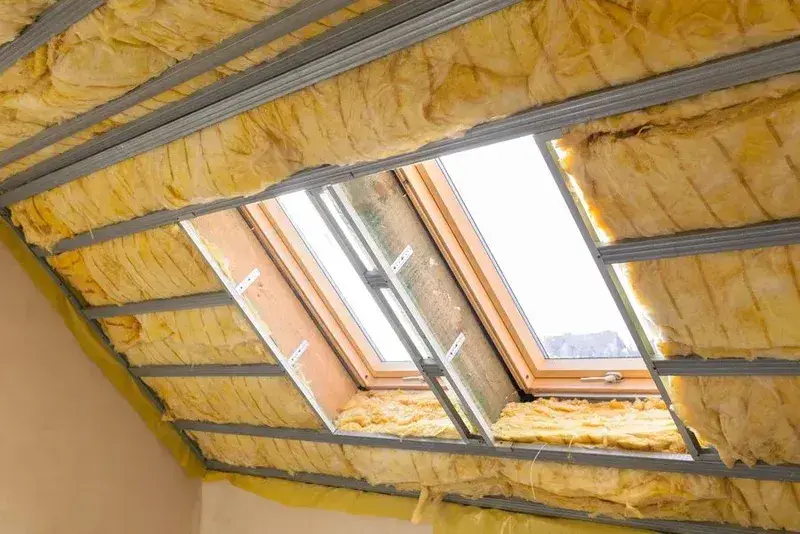
We also install proper attic insulation. For most homes in Lakewood, blown-in fiberglass or cellulose works best. It fills gaps that batts leave open. It doesn't settle as much over time. And it's cost-effective.
Air sealing happens first. We seal every gap we can find. Then we blow in insulation to the right depth. For DFW's climate zone 3 (hot-humid), the U.S. Department of Energy recommends R-38 to R-60 in attics here. That's about 12 to 18 inches of loose-fill insulation.
Finally, we check your attic stairs. Pull-down stairs are a major air leak. We install a simple cover that seals them tight.
Local Competition and What Sets Us Apart
Lakewood has a handful of insulation companies. Green Attic Insulation is one of the bigger names. House Comfort Insulation, Superior Attic, and Penguin Insulation also operate here. They all do decent work.
Here's what makes us different. I don't send a sales team. I don't use high-pressure tactics. I give you an honest assessment of what your attic needs and what it doesn't. If your attic just needs a top-off of insulation and some vent work, I'll say so. If it needs a full removal and redo, I'll explain why. No upsells. No add-ons you don't need.
I've also been in the roofing and construction industry for over 20 years. That means I understand how roofs, vents, and insulation all work together. Some insulation guys only focus on the floor of the attic. They miss how ventilation affects the whole system.
We also serve homes in Lakewood Estates, Lakewood Hills, and the White Rock Lake area. Each of those neighborhoods has unique architecture. Tudors need different approaches than mid-century ranches. We adapt.
If you want to compare prices, call around. But ask each company: Do you air-seal first? Do you check soffit vents? Do you handle vermiculite removal? The answers will tell you who's thorough and who's just blowing money out of a hose.
What the Job Looks Like in a Typical Lakewood Attic
Every attic is different, but I can give you a general picture of what we find in Lakewood. The attic access is usually a pull-down stair in a hallway or garage. Those stairs are narrow, so we bring our own boards to walk on. The attic floor is covered in old, dusty fiberglass batts. There may be a layer of vermiculite underneath.
We start by sealing. We use caulk and expanding foam around every pipe, wire, and duct penetration. For recessed lights, we build airtight boxes around them. IC-rated lights can be covered. Non-IC lights need special clearance.
Then we check the soffits. In many Lakewood homes, soffit baffles were never installed. We add them. They keep insulation from blocking airflow into the attic. After air sealing and baffles, we blow in new insulation. We use a machine outside that feeds material through a hose. The crew moves the hose into every corner of the attic. We build up to the right R-value.
Finally, we check the ridge vent or gable vents. Sometimes they're blocked by old bird nests or construction debris. We clear them. The whole job takes one to two days, depending on attic size.
For more details on how we handle specific house types, check out our attic insulation services page or read about air sealing in older homes.
Why Now Is the Time to Fix Your Lakewood Attic
Summer in Texas is brutal. July and August push temperatures past 100 degrees. Your attic becomes an oven. That heat works its way into your home no matter how good your AC is. If your attic insulation and ventilation are original from the 1950s, you're paying a lot more than you should. Every month. On top of that, the humidity in DFW creates condensation issues. Moisture builds up, and that can lead to mold, rot, and damage to your roof decking.
The cost of fixing it now is lower than the cost of repairing damage later. A rotted roof deck needs replacement. Mold remediation costs thousands. All of that starts with a poorly vented, poorly insulated attic.
The U.S. Environmental Protection Agency's ENERGY STAR program offers guidance on sealing and insulating your home for maximum savings here. It's a reliable source.
So yes, now is the time. Your home is one of Lakewood's beautiful Tudor or Craftsman gems. It deserves an attic that works as hard as the rest of the house. Give us a call at (469) 895-2695 to set up a free estimate. We'll come out, take a look, and give you the straight truth.
** ** ** ** ** **
How long does attic ventilation and insulation take in a Lakewood home?
Do I need to remove old insulation before adding new ventilation?
Will better attic ventilation lower my electric bill?
Can I install attic ventilation myself?
What is vermiculite, and should I be worried about it?
Do you service the White Rock Lake area too?
Get a free estimate for attic insulation in Attic Ventilation for Lakewood
Fill out the form and we'll get back to you within 24 hours. No pressure, no upsells.
Also serving: Attic insulation service details · Attic insulation cost guide · Contact us
Nearby cities: Addison · DeSoto · DeSoto · DeSoto · Farmers Branch · All DFW locations
Last updated: 2026-05-29