Radiant Barrier for Attics in Lakewood Multi-Family Homes
Lakewood's Old Homes Need a Different Kind of Attic Fix
I'm Neal. I run DFW Attic Insulation. Lakewood has some of the oldest homes in Dallas. Many were built in the 1920s through 1950s. That means attics with original fiberglass batts that have settled and lost R-value. Some have vermiculite insulation from before 1970. Air sealing is almost nonexistent in these older multi-family buildings. Shared walls between units make the problem worse. Heat transfers from one attic space to the next. A standard insulation top-up won't solve it. You need a radiant barrier. A radiant barrier reflects heat away from the attic floor. It stops radiant heat from baking through the ceiling drywall. For multi-family buildings in Lakewood, this can cut cooling costs significantly. The Lakewood area has beautiful Tudor and Craftsman homes. But those classic designs didn't include modern insulation. Over 60% of homes still have their original attic insulation. That means they're wasting energy every summer day. A radiant barrier is one of the smartest upgrades for these older homes.
How Radiant Barrier Works in Lakewood's Hot-Humid Climate
Lakewood is in climate zone 3 – hot and humid. Summer attic temperatures easily hit 140 degrees. That heat radiates down through the insulation. It heats up the ceiling and the ductwork. Your air conditioner runs longer to keep up. Radiant barrier is a reflective material. Usually aluminum foil laminated to a backing. You install it on the underside of the roof deck. It reflects up to 97% of radiant heat. That keeps the attic cooler. For multi-family buildings, the benefit multiplies. Less heat entering from the roof means less strain on each unit's AC. Tenants stay more comfortable. The local electric rate in Lakewood is about 12.5 cents per kWh. With Oncor delivery charges, a typical bill can spike in summer. The U.S. Department of Energy confirms radiant barriers can reduce cooling costs by 5-10% in warm climates. That adds up over many units. Plus, a cooler attic helps your insulation work better. It doesn't have to fight extreme heat. This is a simple upgrade with big returns.
Air Sealing Comes First in Lakewood Attics
Before you install radiant barrier, you must seal air leaks. Lakewood's older homes have gaps everywhere. Around plumbing vents, recessed lights, top plates of walls. In multi-family buildings, these gaps connect units. They let conditioned air escape into shared attics. They also let hot, humid air enter the living space. Air sealing is a job by itself. I always do a thorough inspection first. We look for dirty insulation – that's a sign of airflow. We seal with caulk and spray foam. Energy Star recommends air sealing before adding insulation or radiant barriers. It's the most cost-effective step. For Lakewood multi-family properties, this is especially important. Air leaks between units waste energy and reduce comfort. A sealed attic feels noticeably cooler. Then the radiant barrier goes on top. The combination is powerful. You get immediate savings and better comfort. Don't let anyone skip the air sealing step. It's not an upsell – it's the foundation.
Common Attic Problems in Lakewood Multi-Family Buildings
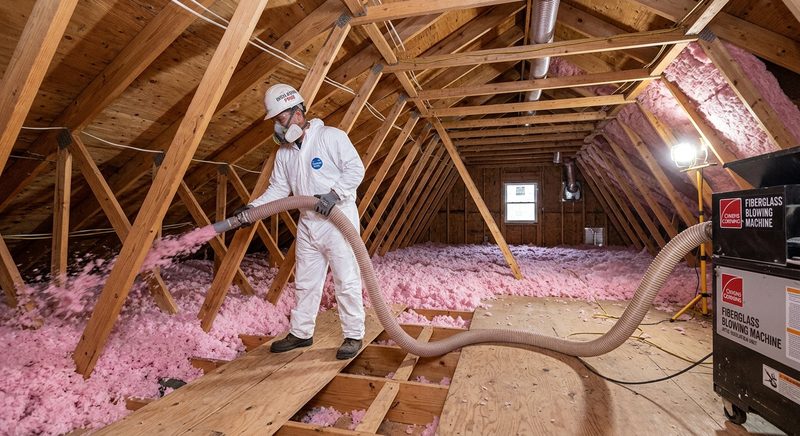
Pull-down attic stairs are the standard access in Lakewood homes. Those stairs have a big gap around the frame. Hot air flows through easily. I've also seen many attic hatches with no weatherstripping. For multi-family buildings, each unit might have its own attic hatch. That means multiple leak points. Insulation in these attics is often compacted fiberglass batts. They were R-19 when new. Now they're R-8 or less. Some attics have vermiculite – that's a mineral that can contain asbestos. If you suspect vermiculite, test it before disturbing. Lakewood's housing styles include colonial revival and mid-century ranch. Each has different attic shapes. Vaulted ceilings are common in some craftsman styles. Those need careful radiant barrier installation to avoid condensation. The brick veneer and wood frame construction means the attic is well-sealed from outside air? Not always. Proper ventilation is also critical. Radiant barrier works best with good attic ventilation. Ridge vents and soffit vents are typical in newer homes. Old Lakewood homes often lack them. We may need to add venting as part of the radiant barrier job.
Choosing the Right Radiant Barrier for Lakewood Multi-Family
Not all radiant barriers are the same. There's perforated and non-perforated. Perforated allows moisture to pass through – important in humid climates. In Lakewood's hot-humid zone, I recommend perforated radiant barrier. It lets trapped moisture escape, preventing mold. Installation methods also vary. You can staple it to rafters or lay it over existing insulation. For multi-family buildings, we often staple to the roof deck. This keeps the barrier high and allows airflow underneath. Some products have a scrim reinforcement – they're stronger. Others are thin foil and tear easily. I use a heavy-duty product that lasts. The Florida Solar Energy Center (a university research center) has studies on radiant barrier performance. They confirm it works best in hot climates with good ventilation. Lakewood fits that profile perfectly. Multi-family owners should invest in quality installation. Cheap foil that rips during installation wastes money. A proper job includes overlaps, taped seams, and careful cutting around obstructions. Our crew has done this countless times in older DFW attics. We know the tricks.
Cost Considerations for Lakewood Multi-Family Radiant Barrier
I can't give you a price here because every attic is different. But I can tell you factors that affect cost. Attic size, pitch, access, and number of units. Multi-family buildings have more complex attics. There might be firewalls between units. Radiant barrier must be installed in each section. The existing insulation condition matters. If you need removal of old vermiculite, that adds cost. Air sealing is usually extra. But the return on investment is solid. With 12.5 cents per kWh, a 10% reduction in cooling for a multi-family building can save hundreds per year. Over the life of the radiant barrier (20+ years), it pays for itself. Plus, tenants will appreciate lower bills. Property value increases too. Lakewood is a desirable neighborhood near White Rock Lake. Homes with modern energy upgrades sell faster. If you're managing a multi-family property in Lakewood Estates or Lakewood Hills, this is a smart investment. We offer free estimates. We'll inspect your attic and give you an honest number.
** ** ** ** **
Does radiant barrier work in multi-family attics with shared walls?
Will radiant barrier cause condensation problems in Lakewood's humidity?
Can I install radiant barrier over existing insulation?
Do I need to remove old fiberglass batts first?
How long does radiant barrier installation take in a multi-family building?
Get a free estimate for attic insulation in Lakewood Multi-Family Homes
Fill out the form and we'll get back to you within 24 hours. No pressure, no upsells.
Also serving: Attic insulation service details · Attic insulation cost guide · Contact us
Nearby cities: Addison · DeSoto · DeSoto · DeSoto · Farmers Branch · All DFW locations
Last updated: 2026-05-29