
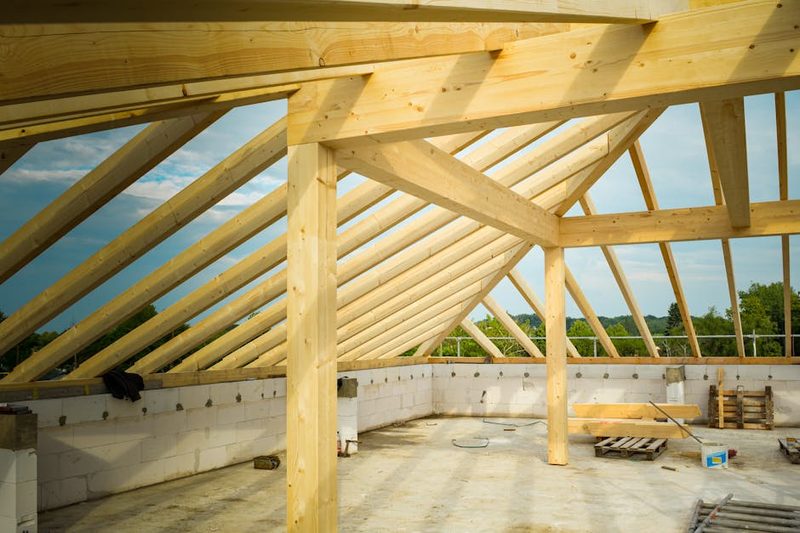
Spray Foam for Multi-Family Attics in Duncanville, TX
Why Duncanville Multi-Family Homes Need Better Attic Insulation
Most multi-family units in Duncanville were built between 1960 and 1980. That means the original insulation is fiberglass batts that have settled, compressed, or been disturbed by maintenance work over the decades. The result is air leakage and R-values that don't meet modern standards. I've been in attics across DFW for years, and I can tell you that older construction like this is the hardest to seal. The typical attic access in these homes is a pull-down stair in the garage or hallway with a 2x2-foot opening. That small hatch makes it tough to get good coverage with traditional blown-in insulation. Spray foam solves that problem. It seals every gap and crack in one application. No settling. No compression. Just a solid thermal barrier that stays put for decades. The U.S. Department of Energy recommends R-38 to R-60 for attics in Climate Zone 4, which is where Duncanville sits. Spray foam can hit those numbers easily while also stopping air movement. That's critical in multi-family buildings where one unit's heat loss becomes another unit's problem.
How Spray Foam Handles Duncanville's 96°F Summers
Duncanville averages 96°F in July. That's not just hot — it's punishing on HVAC systems. In multi-family buildings, the attic is shared between units. Heat builds up there and pushes down through ceilings, ductwork, and wall cavities. Your AC runs longer and harder to compensate. Spray foam creates an air seal that stops that heat migration. Open-cell foam is the most common choice for attics because it's less expensive and still provides excellent R-value per inch. Closed-cell foam is denser and works better in tight spaces or where moisture is a concern. Both options reduce the load on your AC. The EPA's ENERGY STAR program estimates that proper air sealing and insulation can save homeowners an average of 15% on heating and cooling costs. In a multi-family building, those savings add up fast across all units. The electric rate in Duncanville is about 12.5 cents per kWh through Oncor. Every degree you keep out of the attic is money back in your pocket.
Common Problems in Duncanville Multi-Family Attics
I see the same issues over and over in these buildings. First, the original fiberglass batts are often compressed by stored items or old ductwork. Compressed insulation loses R-value. Second, there are gaps around pipes, wires, and vents that let conditioned air escape. Third, the attic access door itself is usually uninsulated and leaky. Spray foam addresses all three. It fills every gap and crack, including around the access hatch. It doesn't compress or settle. And it adds structural rigidity to the roofline, which can help with minor roof deck movement. Multi-family buildings also have more penetrations through the attic floor — plumbing vents, electrical conduits, exhaust fans. Each one is a potential leak. Air sealing with caulk or foam before insulating is critical. I always air-seal first, then insulate. That's the difference between okay insulation and great insulation. The Building America Solution Center has detailed guides on air sealing techniques that apply directly to these situations.
Spray Foam vs. Other Insulation for Multi-Family Homes
Fiberglass batts are the cheapest option upfront, but they don't last in attics. They settle, get dirty, and lose R-value over time. Blown-in cellulose is better but can still settle and doesn't seal air leaks. Radiant barriers reflect heat but don't stop air movement. Spray foam does both — it insulates and air-seals in one step. For multi-family buildings, that's a big advantage because you only have one chance to get it right. Once the attic is done, you don't want to go back in for repairs or upgrades. Spray foam also helps with sound transmission between units. Open-cell foam absorbs sound better than fiberglass. Closed-cell foam blocks sound more effectively. Either way, your tenants will notice less noise from the unit above. The initial cost is higher than other options, but the long-term energy savings and comfort improvements make it worth it. I tell homeowners to think of it as an investment, not an expense.
What to Expect During a Spray Foam Installation in Duncanville
The process starts with an inspection. I look at the existing insulation, check for air leaks, and assess the attic's ventilation. Then I air-seal all the gaps around pipes, wires, vents, and the access hatch. After that, the crew applies the spray foam. Open-cell foam is sprayed in layers until it reaches the target thickness. Closed-cell foam is applied in thinner lifts because it cures faster. The whole job usually takes one to two days for a typical multi-family attic. The foam needs to cure for a few hours before you can walk on it. After that, the attic is ready to go. The crew cleans up any overspray and makes sure the access hatch seals properly. I recommend scheduling the work in spring or fall when temperatures are moderate. Summer installations are possible but harder on the crew and the equipment. Winter is fine too, as long as the attic temperature stays above 50°F for proper curing.
Is Spray Foam Right for Your Duncanville Multi-Family Property?
Spray foam isn't the right choice for every attic. If your attic has active roof leaks or poor ventilation, those issues need to be fixed first. Spray foam can trap moisture against the roof deck if the attic isn't properly vented. That can lead to rot and mold over time. I always check ventilation before recommending spray foam. If the attic has adequate intake and exhaust vents, spray foam is a great option. If not, I might recommend adding ventilation or using a different insulation strategy. The best way to know is to have someone look at your specific attic. I offer free estimates and I'm honest about what you need. If spray foam isn't the best solution, I'll tell you. I'd rather lose a job than do bad work. Call me at (469) 895-2695 and we'll set up a time to take a look.
** ** ** ** **
How much does spray foam insulation cost for a multi-family attic in Duncanville?
Will spray foam help with noise between units in my multi-family building?
How long does spray foam last in a Duncanville attic?
Can I install spray foam myself in my multi-family attic?
Does spray foam work with existing ductwork in the attic?
Get a free estimate for spray foam in Duncanville
Fill out the form and we'll get back to you within 24 hours. No pressure, no upsells.
Also serving: Attic insulation service details · Attic insulation cost guide · Contact us
Nearby cities: Addison · DeSoto · DeSoto · DeSoto · Farmers Branch · All DFW locations
Last updated: 2026-05-29